Electric bills can be confusing, filled with terms and charges that aren’t always easy to interpret, making it tricky to understand what you’re really paying for. But knowing what your money is covering can help you spot opportunities to cut costs and use energy more efficiently.
In New York, where energy prices can fluctuate and seasonal demands affect monthly totals, taking a closer look at your bill can help you make informed decisions about when and how to use electricity. Once you learn how to read your bill, you’ll start to see how your energy use changes from month to month, where your money is going, and how community solar can help you keep more of it.
The Key Sections of a New York Utility Bill
A New York utility bill is typically divided into several key sections, each showing different details about your energy use, charges, and account information. Knowing what these sections represent, whether your energy supplier is Con Edison, National Grid, or NYSEG, can help you track your usage trends, identify errors, and spot opportunities to save, especially if you’re considering solar or other renewable energy options.
Account Information and Service Dates
This top section lists your name, account number, service address, and billing period — the “service from” and “service to” dates. Those details may seem small, but they help you compare energy bills over time and catch changes in your usage.
If one billing cycle covers 32 days instead of 29, your electricity costs might look higher even if you didn’t use more energy. Keeping tabs on these patterns helps homeowners and renters make sense of their monthly electric bills.
Supply Charges vs. Delivery Charges
Your electric bill separates supply charges from delivery charges. Supply charges reflect the cost of the actual electricity you use, measured in kilowatt-hours (kWh). Delivery charges cover the expense of transporting that electricity from the grid to your home, maintaining power lines, and supporting system reliability. Think of it like ordering a pizza: the supply charge is the pizza, and the delivery charge is getting it to your door.
When you join a community solar program, your solar credits reduce the supply charges portion of your bill, helping lower energy costs while you continue using the same energy service company. To see how this process works in detail, check out Clearway’s guide to understanding solar credits.
Meter Readings and Usage Details
This section shows how much power you used during the billing cycle. It lists meter readings, either actual or estimated, and your total kWh usage. Actual readings (shown as an “A” on your bill) come directly from your meter, while estimated ones (shown as “E”) are based on past usage if a meter reading wasn’t available.
In New York, some utility companies, like RG&E, alternate between actual and estimated readings, taking an actual reading every other month and using an estimate in between. This schedule helps streamline operations, but can sometimes cause small billing differences that level out once an actual reading is recorded.
That’s why tracking this section over time can help you notice spikes in usage before they lead to surprises on your electric bill.
Taxes and Fees
New York utility bills also include a variety of taxes, surcharges, and state or local fees. While you can’t avoid these, they help fund energy efficiency programs and infrastructure improvements across New York State. Common line items you might see include:
- Sales Tax: A state or local tax applied to your total energy charges.
- System Benefit Charge (SBC): Helps fund statewide energy efficiency, renewable energy, and low-income assistance programs.
- Renewable Energy Surcharge: Supports investments in clean energy initiatives across New York.
- Delivery Adjustment or Merchant Function Charge: Covers administrative and supply-related utility costs.
- Local Surcharges or Assessments: Smaller fees that may vary by municipality, often directed toward grid maintenance or public service obligations.
When you participate in a New York solar program, the bill savings and credits you earn can help offset part of those costs.
How To Understand Your Energy Usage
Your bill isn’t just a list of numbers. It tells the story of how your household uses energy. Once you can read it, you’ll spot opportunities for solar savings and smarter energy habits.
Kilowatt-Hours (kWh) Explained
Electricity is measured in kilowatt-hours (kWh) — that’s the amount of energy used to power a 1,000-watt appliance for one hour. Running a small window AC unit for an hour uses about 1 kWh. Charging an electric vehicle could take anywhere from 20 to 40 kWh per session.
On your bill, your usage for the billing cycle is usually displayed in total kWh. Comparing your kWh usage month to month can help you identify when your energy use peaks and how seasonal changes, weather, or habits impact your electric bills.
Seasonal Fluctuations in New York
Energy demand in New York State rises in both winter and summer, with heating in the cold months and air conditioning in the warm ones. Many homeowners notice that their monthly electric bill jumps during extreme weather conditions. Because community solar credits adjust with your usage, they can help smooth out those seasonal swings, offering steadier costs throughout the year.
Peak vs. Off-Peak Rates
Some utilities, like National Grid, use time-of-use or “TOU” pricing. That means electricity costs more during high-demand hours (afternoons and evenings) and less at night. If your utility company lists “On-Peak” and “Off-Peak” on your bill, consider shifting certain tasks, such as running the dishwasher or doing laundry, to off-peak times.
How Community Solar Can Help Save You Money On Your Bill
Once you understand how to read your utility bill and track your energy usage, you can start exploring ways to lower your costs, and one of the most accessible options for New Yorkers is community solar. Community solar makes it possible to enjoy the benefits of clean, renewable energy without installing panels on your own roof. It’s a simple, flexible way to support solar power and save on electricity, whether you’re a homeowner, renter, or business customer.
How Community Solar Works
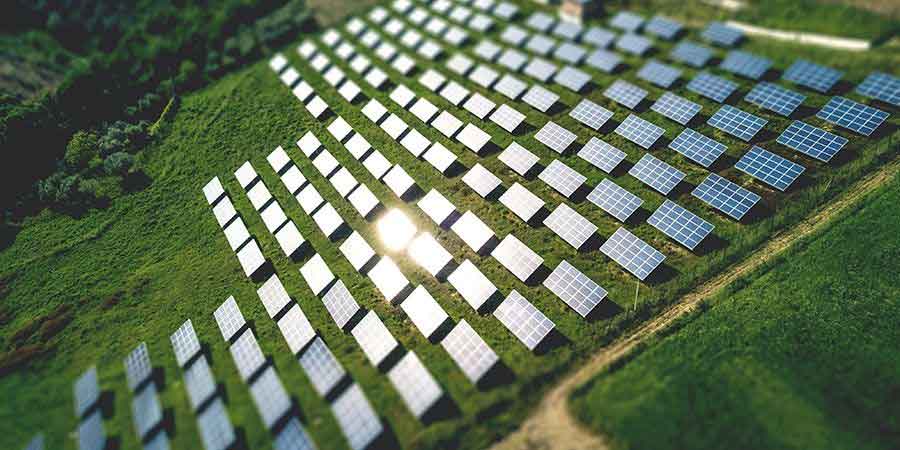
With community solar, you subscribe to a shared solar farm: a large, professionally managed solar array that sends electricity directly to the local grid. Instead of producing energy on your rooftop, you receive a portion of the farm’s output based on your subscription size. This means you can lower your electric costs without having to install, maintain, or insure any equipment yourself.
Community solar is a perfect option for renters, condo owners, or anyone whose property isn’t suited for rooftop panels. There are typically no upfront costs, and you can usually subscribe or unsubscribe without long-term commitments. It’s an easy way to take part in New York’s clean energy movement while saving money along the way.
To see how it works where you live, visit Clearway’s New York Community Solar page.
How Solar Credits Work
When the solar farm generates electricity, that power feeds into the grid and earns solar credits for subscribers. You continue to receive electricity from your regular utility, but your bill is reduced based on the value of the credits applied.
In New York State, community solar operates under the Value of Distributed Energy Resources (VDER) framework and net metering rules managed by the New York State Energy Research and Development Authority (NYSERDA) through its NY-Sun program. Your residential solar credits are calculated based on your share of the solar farm’s production and applied toward your supply charges, usually reducing your electricity costs by 5–10% every month.
What You’ll See on Your Bill
When you participate in community solar, you’ll notice new line items on your utility bill showing how the credits are applied. The exact format can vary by utility, but here’s a general example of what to expect:
- Utility Supply Charges: The normal cost of your electricity usage.
- Community Solar or CDG Credits: A negative line item reducing your supply costs based on your share of the solar farm’s production.
- Net Metering Credits (if applicable): For customers who generate some of their own solar power (in addition to a community solar subscription), this credit reflects excess energy sent back to the grid from your property.
- Delivery & Service Charges: Standard fees that cover distributing electricity and maintaining infrastructure; these aren’t affected by credits.
Each month, your Community Solar credits offset some or all of your supply charges, lowering your total due. Net metering, if you have it, works similarly, giving you credit for the electricity you contribute back to the grid. In both cases, if your total credits exceed your monthly usage, the extra credit rolls over automatically to the next billing cycle.
Dual vs. Consolidated (Unified) Billing
Depending on your utility company, your community solar savings appear in one of two ways. With dual billing, you’ll receive one from your utility company showing your regular energy charges minus solar credits, and one from your solar provider showing your subscription cost for the solar energy generated on your behalf. Dual billing makes it easy to see exactly how credits offset your utility charges, but it does require managing two payments each month.
With consolidated billing, you receive a single bill from your utility that combines your standard charges and solar subscription costs. Your credits and subscription are reflected together, reducing the number of bills you have to pay a month.
Steps To Take if You’re Considering Solar in New York
Whether you live in New York City, Long Island, or upstate, it’s easier than ever to benefit from solar energy. Here are a few ways to get started.
Explore Available State and Federal Incentives
New York residents can benefit from some of the most generous solar incentives in the country, making the switch to solar more affordable than ever. These programs help reduce the upfront cost and increase your long-term savings:
- NY-Sun Program (Administered by NYSERDA): Through the New York State Energy Research and Development Authority (NYSERDA), the NY-Sun program provides direct incentives and rebates to offset the cost of installing solar panels. These incentives are available to homeowners, businesses, and organizations that use qualified contractors.
- Residential Clean Energy Credit (Federal): Also known as the former Solar Investment Tax Credit (ITC), this federal tax credit allows homeowners to claim up to 30% of eligible solar installation costs on their federal tax return.
- New York State Solar Energy System Equipment Credit: Homeowners can claim up to 25% of qualified solar equipment expenses (up to $5,000) on their state income taxes. When combined with the federal credit, these two incentives can reduce solar installation costs by up to 55%.
- Property Tax and Income Tax Exemptions: Solar installations are exempt from property tax increases, and some households may qualify for income tax exemptions related to solar investments, further lowering the cost of solar and boosting your return over time.
Even if you don’t install panels at home, you can still take advantage of solar savings through community solar programs. Some utilities and local programs offer tax or bill credits to encourage participation, making renewable energy accessible for renters, condo owners, and residents without suitable rooftops.
Compare Solar Quotes With Your Current Bill
Before making any decisions, grab your last few electric bills and take note of your average kWh usage, total energy costs, and high-use months. Then, compare those numbers with projected savings from a community solar program.
This simple comparison can show how much solar power could lower your annual electricity costs without requiring a home solar installation. For many New Yorkers, solar, especially community solar, can help reduce bills by 5–10% with little to no installation cost.
Contact Clearway Community Solar for a Personalized Analysis
Once you’ve reviewed your energy costs and potential options, reach out to a trusted provider like Clearway Community Solar for a personalized solar assessment. We know that every household’s situation is different, but Clearway’s experts make the process simple. We’ll help you understand exactly how much you can save, how credits will appear on your bill, and what steps to take to start reducing your energy costs with solar.
Turn Your Utility Bill Into Savings With Clearway Community Solar
Your electric bill can do more than tell you what you owe; it can point the way to lasting solar savings. Understanding each section helps you see how community solar fits in and how much you could save while supporting renewable energy across New York State.
With a community solar subscription, you pay no upfront cost, no maintenance, and no equipment installation. For details about next steps, visit Clearway’s Frequently Asked Questions (FAQs) or check the After Enrollment section for what to expect after signing up.
Whether you’re a homeowner or renter, Clearway’s community solar program offers a simple way to join the movement toward a cleaner, more affordable energy future. Get started today!
Want to learn more about Community Solar?
Our solar specialists can provide a free consultation.
Get Started